
1. The Protective Role of Dietary Lycopene
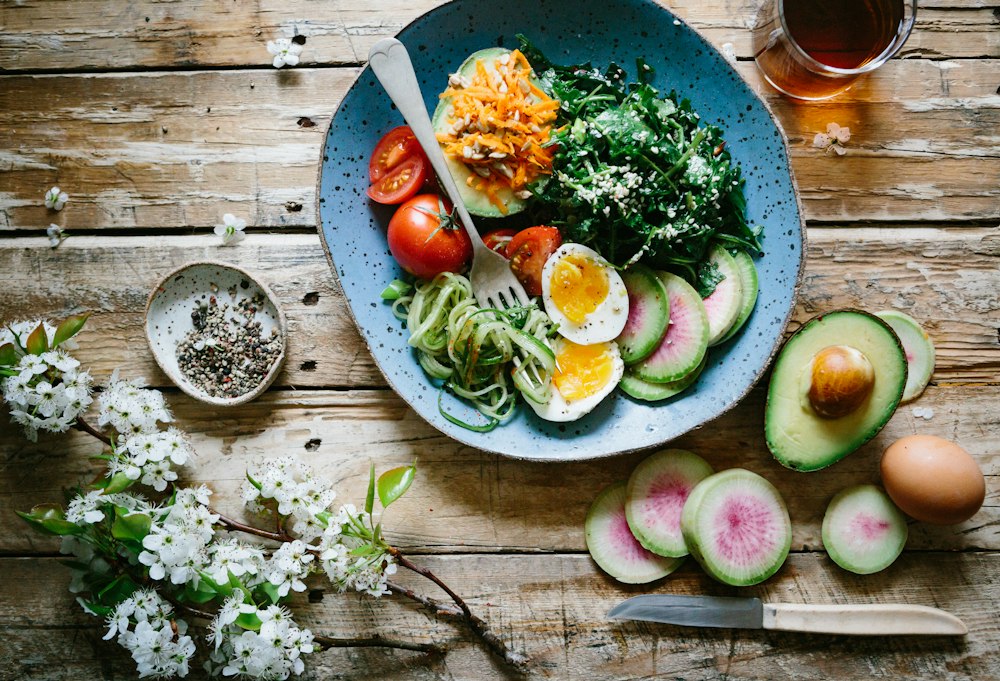
Lycopene is a fat-soluble carotenoid responsible for the deep crimson color of ripe tomatoes, watermelon, and pink grapefruit. Because prostate epithelial cells actively accumulate lycopene, regular consumption provides local defense against reactive oxygen species (ROS). Cooking tomatoes with extra virgin olive oil enhances lycopene bioavailability up to fourfold due to lipid-assisted micellar absorption.
2. Zinc: The Master Glandular Mineral
Prostate tissue possesses the highest physiological concentration of zinc in the human body. Zinc inhibits the Krebs cycle enzyme m-aconitase, maintaining specialised cellular energy metabolism. Outstanding dietary sources include raw pumpkin seeds, oysters, lentils, and lean poultry.
3. Sulforaphane & Cruciferous Vegetables
Broccoli, cauliflower, kale, and Brussels sprouts contain glucosinolates that convert into active sulforaphane upon mastication. Sulforaphane induces Phase II detoxification enzymes (such as glutathione S-transferase), helping neutralize harmful environmental metabolites.
4. Foods to Moderate for Bladder Comfort
- Highly Processed Meats & Saturated Animal Fats: Associated with systemic inflammatory signaling.
- Spicy Capsaicin Dishes: Directly irritate the lower urinary tract and bladder trigone.
- Refined Sugars & High Glycemic Index Foods: Promote insulin-like growth factor (IGF-1), stimulating cell proliferation.