Supporting Prostate Comfort & Urinary Ease in Men Over 45
A comprehensive UK clinical resource examining age-related prostate enlargement, nocturnal urination patterns, and the role of standardised phytotherapeutic nutrients in sustaining healthy bladder emptying.
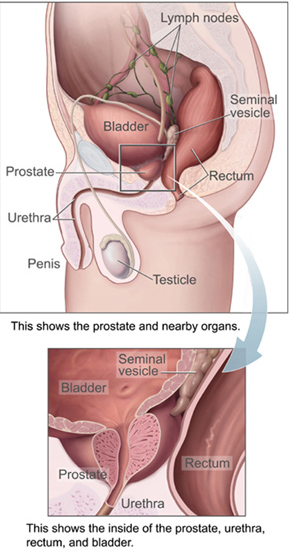
The prostate is a small, walnut-sized gland situated immediately below the bladder in men. As men cross the age of 45, the natural balance of male hormones shifts. Specifically, the conversion of testosterone into dihydrotestosterone (DHT) by the enzyme 5-alpha-reductase often stimulates progressive cell proliferation within the transition zone of the gland.
Figure 1.1: Anatomical relationship of the prostate gland encircling the urethra directly beneath the bladder neck.
Because the prostate encircles the initial segment of the urethra, even moderate tissue congestion or enlargement can place mechanical pressure on the urinary outflow tract. This often alters the bladder’s ability to empty completely, leading to characteristic urinary signs.
Common Early Indications of Prostate & Urinary Stress:
Nocturia (Night Waking)Needing to get up twice or more during the night to pass urine, disrupting restorative sleep.
Hesitancy & Weak StreamA reduced or intermittent flow rate that requires waiting or straining to initiate urination.
Post-Void DribblingInvoluntary leakage of small amounts of urine immediately after finishing in the bathroom.
Sensation of Incomplete EmptyingFeeling as though the bladder is not fully evacuated, prompting another bathroom visit within an hour.
Answer 4 confidential questions based on the International Prostate Symptom Score (IPSS) guidelines to evaluate your current urinary flow profile:
1 Over the past month, how often have you had to get up at night to urinate?
2 How would you describe the strength of your urinary flow compared to five years ago?
3 How frequently do you experience a sudden urgency that makes delaying urination difficult?
4 Do you ever experience a persistent feeling that your bladder hasn't completely emptied?
Phytochemistry & Clinical Nutrition
Key Botanical Extracts Studied for Prostate Cellular Homeostasis
Scientific investigations published in international urological journals highlight that targeted plant extracts provide multi-pathway nutritional support for aging prostate tissue by modulating local inflammatory responses, supporting smooth muscle relaxation, and helping regulate DHT conversion.
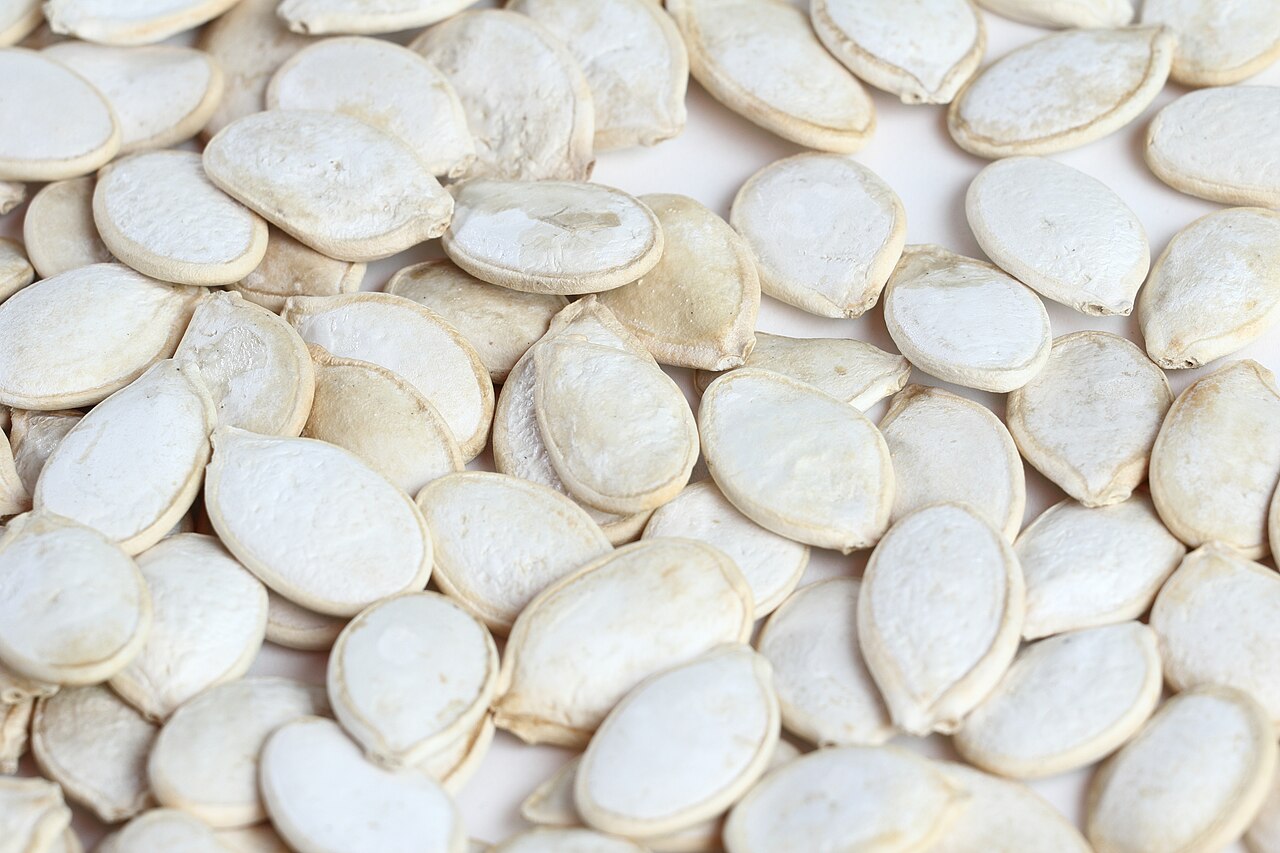
Figure 1.2: Standardised plant seeds and botanicals containing rich concentrations of natural phytosterols and bioavailable zinc.
Saw Palmetto (Serenoa repens)
Standardised extract containing 45%–85% fatty acids and phytosterols. Extensively researched in European clinical trials for supporting normal peak urinary flow and inhibiting the 5-alpha-reductase enzyme in prostate tissue.
Beta-Sitosterol Complex
The principal plant sterol found in pine bark and seeds. Multiple randomised double-blind trials indicate positive effects on international symptom scores and significant reductions in post-void residual urine volume.
Pumpkin Seed Extract (Cucurbita pepo)
Rich in delta-7-sterols and essential fatty acids. Research shows synergistic benefits when combined with Saw Palmetto, assisting in bladder tone and reducing the frequency of nocturnal bathroom awakenings.
Chelated Zinc & Tomato Lycopene
The human prostate has the highest concentration of zinc of any soft tissue in the body. Paired with lycopene, it delivers targeted antioxidant defence against cellular oxidative stress in glandular tissue.
“In clinical urology, we often observe that British men wait years before addressing benign prostate symptoms. Proactive nutritional support with standardised phytosterols, combined with sensible evening fluid restriction and pelvic exercises, can make a meaningful difference to quality of life. Always ensure persistent symptoms are checked with your NHS GP.”
Patient Guidance
Frequently Asked Questions About Prostate Wellness
Prostatitis refers to inflammation of the prostate gland, which can be acute (often bacterial, accompanied by fever and pain) or chronic. Benign Prostatic Hyperplasia (BPH), on the other hand, is a non-cancerous, gradual enlargement of glandular tissue that commonly occurs with natural aging. Both can cause urinary hesitancy and frequency, but their clinical management protocols differ.
Standardised food supplements provide concentrated levels of bioactive phytosterols (such as beta-sitosterol) and fatty acids that help regulate local enzymatic processes, support healthy smooth muscle relaxation around the bladder neck, and supply essential trace minerals like zinc that the prostate selectively absorbs.
Phytotherapeutic nutrients work progressively. Clinical evaluations show that consistent daily supplementation over 6 to 12 weeks is typically needed to experience optimal improvements in daytime comfort, stream steadiness, and reduced night-time bathroom frequency.
You should contact your doctor promptly if you notice visible blood in your urine, severe pain in your lower abdomen or lower back, sudden inability to urinate (acute retention), or high fever with urinary burning. Routine baseline prostate health checks (including PSA blood tests) are recommended for all men over 50.
We use essential and analytics cookies to enhance your browsing experience, deliver secure website performance, and present relevant educational health content in accordance with UK GDPR. Read our Privacy Policy.